How Do You Know When to Replace Your Windows?
How Do You Know If You Actually Need New Windows?
Replacing your home's windows is a significant investment, so it's reasonable to ask whether replacement is truly necessary.
Maybe you've noticed a draft near the living room window.
Perhaps one window has become difficult to open, or you've discovered moisture collecting between the glass panes.
Do these problems mean you need new windows?
Not always.
Some window problems can be repaired. Others indicate that replacement may be the better long-term solution.
Understanding the difference can help you avoid unnecessary expenses.
How Can You Tell If Your Windows Need Replacing?
Common signs that windows may need replacement include persistent drafts, condensation between glass panes, difficulty opening or closing, damaged frames, water intrusion, and deteriorating seals.
However, not every problem requires a new window. Some issues can be corrected with repairs, weatherstripping, or maintenance.
The best decision depends on the window's condition and the cause of the problem.
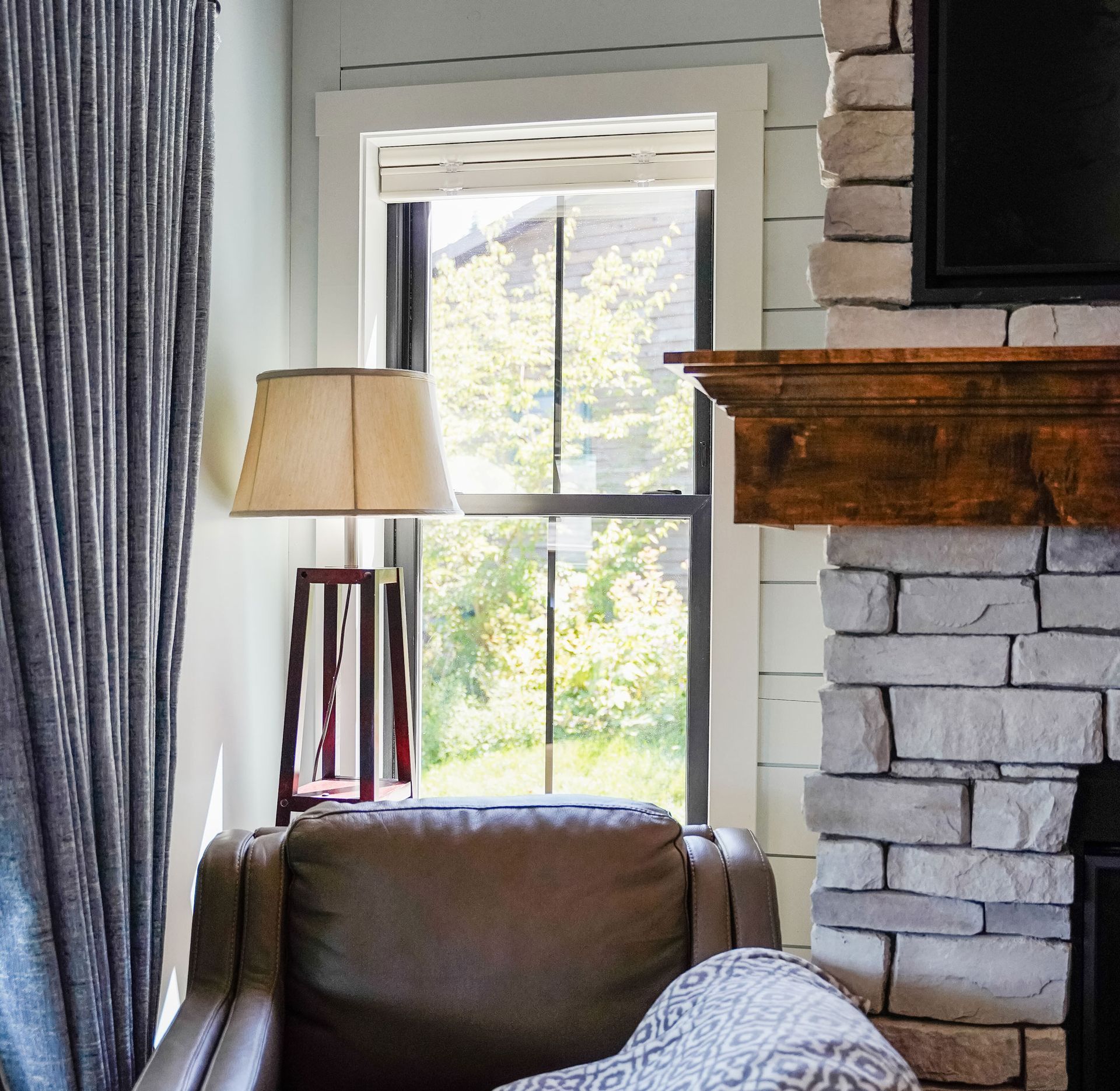
Sign 1: You Feel Drafts Around Closed Windows
A properly closed window should help limit unwanted outdoor air.
If you feel a noticeable draft, there may be gaps around the sash, deteriorating weatherstripping, or air leakage around the window frame.
Sometimes weatherstripping replacement or sealing gaps around the installation can solve the problem.
However, if the frame is distorted or the window no longer closes properly, replacement may be worth considering.
Sign 2: There's Fog Between the Glass Panes
Modern insulated windows generally contain two or more panes of glass separated by a sealed space.
If that seal fails, moisture can enter between the panes.
This may create persistent fogging or condensation that cannot be wiped away from either exposed glass surface.
A failed seal doesn't always require replacing the entire window.
In some cases, the insulated glass unit can be replaced separately.
However, if the window is older or has other problems, complete replacement may offer better value.
Sign 3: Your Windows Are Difficult to Operate
Windows should open, close, and lock properly.
If you struggle to raise a sash or the window won't stay open, the problem may involve a balance mechanism, hardware, or frame alignment.
Some of these components can be repaired.
But recurring problems across several older windows may indicate that replacement is a practical option.
Windows that serve as emergency escape openings should also remain operable for safety.
Sign 4: You Notice Water Damage or Wood Rot
Water stains, peeling paint, soft wood, and deteriorating trim may indicate moisture problems.
Sometimes the source is a failed seal or flashing detail around the window.
Other times, moisture enters through surrounding siding or wall components.
It's important to identify and correct the source of water intrusion before installing a replacement window.
Simply covering damaged materials with a new frame may allow the problem to continue.
Sign 5: Your Windows Are Uncomfortable During Extreme Weather
Older windows may allow significant heat transfer.
During winter, the interior glass can feel very cold. During summer, sunlight may cause certain rooms to overheat.
Modern energy-efficient windows can improve comfort by reducing heat transfer.
However, room comfort also depends on insulation, shading, air leakage, and heating and cooling systems.
A window evaluation can help determine whether replacement would address the problem you're experiencing.
Sign 6: Your Windows Require Constant Repairs
Occasional maintenance is normal.
But if you're repeatedly paying to repair hardware, replace glass units, address leaks, or correct operational problems, it may be time to compare repair costs with replacement costs.
The age and overall condition of the window matter.
A relatively new window with one defective component may be worth repairing.
An older window with several failing components may be a better candidate for replacement.
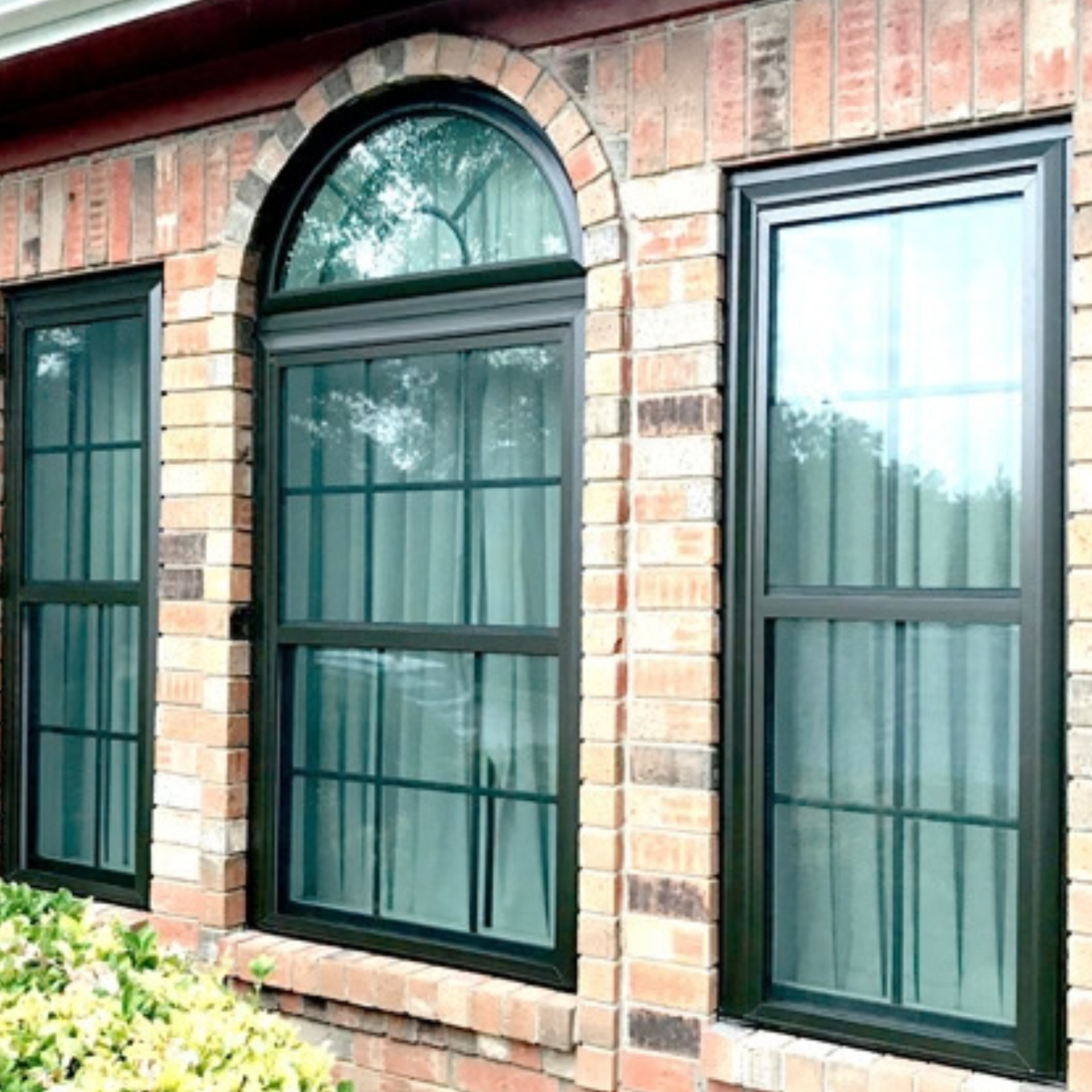
When Should You Keep Your Existing Windows?
If your windows operate properly, remain structurally sound, and don't have significant air or water leakage, immediate replacement may not be necessary.
You might benefit more from maintenance, weatherstripping, or addressing other sources of energy loss.
At The Window Guyz, we believe homeowners should understand their options before making a decision.
Replacing windows should solve a real problem or provide a benefit that matters to you.
Frequently Asked Questions About Replacing Windows
How old should windows be before replacing them?
There isn't one universal replacement age. Window quality, maintenance, installation, and exposure all affect lifespan.
Does condensation mean I need new windows?
Not always. Condensation on room-side glass may relate to indoor humidity. Moisture trapped between panes usually indicates a failed insulated glass seal.
Can drafty windows be repaired?
Sometimes. Weatherstripping, adjustments, or sealing may address certain drafts.
Should I replace windows that are hard to open?
First determine whether the problem involves repairable hardware or more extensive frame deterioration.
Can I replace only the windows that are failing?
Yes. Many homeowners replace windows in phases based on condition and budget.
Find Out Whether Window Replacement Makes Sense
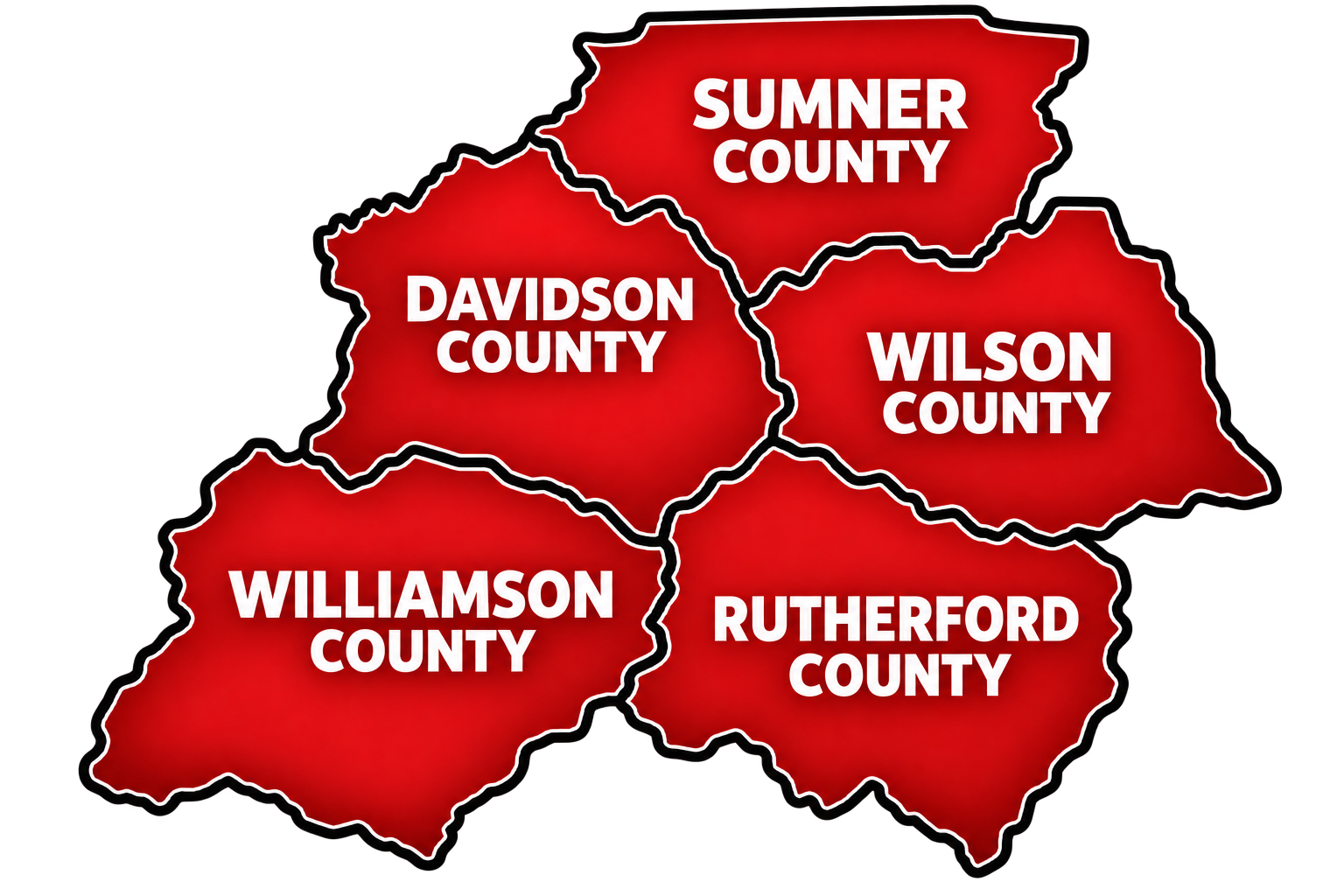
The Window Guyz helps homeowners throughout Hendersonville, Nashville, Franklin, Brentwood, Gallatin, and surrounding Middle Tennessee communities explore replacement window options.
We offer quality vinyl windows, professional installation, competitive upfront pricing, and strong warranty protection.
Contact The Window Guyz today to discuss your windows and determine the next step for your home.
More Blog Posts